
Sleep Positions And Breathing

Sleep positions significantly influence our breathing during sleep. Sleeping on one’s back can cause the tongue to block the windpipe, making breathing irregular and leading to common sleep disturbances like snoring and sleep apnea. People with these conditions are often advised to sleep on their sides, which keeps the airways open and promotes better breathing.
However, side sleeping may not be beneficial for everyone. Some people may still experience discomfort or interruptions in breathing due to other health issues or improper alignment. Therefore, it’s critical to understand that while sleep position can contribute to better breathing, individual health factors also play a significant role.
Sleep Positions And Chronic Conditions

Our sleeping positions can influence certain chronic conditions. For example, those suffering from heartburn or acid reflux may find relief when sleeping on their left side, as this position may prevent stomach acid from rising into the esophagus. On the other hand, people with chronic back pain might need to experiment with different positions and support levels to find what works best for them.
Thus, adjusting sleep positions can often serve as a non-pharmacological method to manage the symptoms of these conditions. However, seeking advice from healthcare professionals when dealing with chronic conditions and sleep disruptions is always recommended.
Adapting To A New Sleep Position
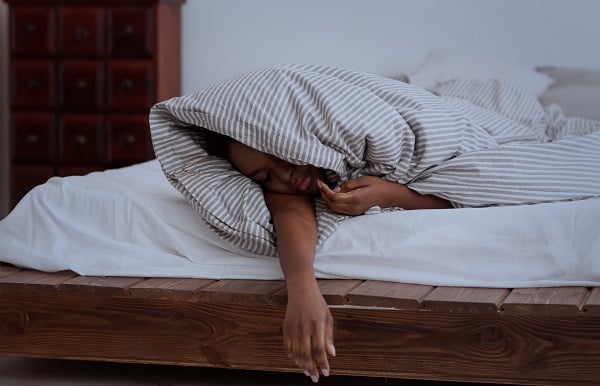
There may be circumstances when one needs to change their sleep position—whether due to a health condition, pregnancy, or the simple pursuit of better sleep quality. It’s important to note that changing a habitual sleep position is a gradual process that requires patience and consistency. Start by setting up your sleep environment with appropriate pillows and mattress firmness to support the new position.
Remember to listen to your body and its comfort levels as you experiment with new positions. It can take time to adjust, and there may be periods of disrupted sleep. If difficulties persist, it may be necessary to consult with a healthcare or sleep professional to ensure no underlying issues affect your sleep.
Pillow Talk – The Role of Pillows in Sleep Positions

Pillows aren’t just for comfort; they are important in maintaining alignment and supporting various sleep positions. For instance, side sleepers may benefit from a firm pillow to keep their neck aligned with their spine, while back sleepers might need a flatter pillow to maintain natural neck curvature.
Moreover, additional pillows can support other body parts depending on your sleep position. For example, a pillow between the knees can provide extra support and comfort for side sleepers, while back sleepers can use a pillow under their knees to alleviate lower back stress. Therefore, choosing the right pillow according to your sleep position can significantly enhance sleep quality.
The Bottom Line
Understanding the intricate science behind sleep positions is essential in our quest for better sleep and improved health. Your sleep positions influence your well-being, from spinal health to breathing patterns. While the information shared can provide general guidance, it’s crucial to remember individual differences and their role in sleep preferences and health needs. Always consult a healthcare provider if you have serious sleep concerns or suffer from chronic sleep disruptions. And remember, the journey to better sleep might be as simple as adjusting the position in which we sleep.