Overcoming Barriers to Regular Screenings
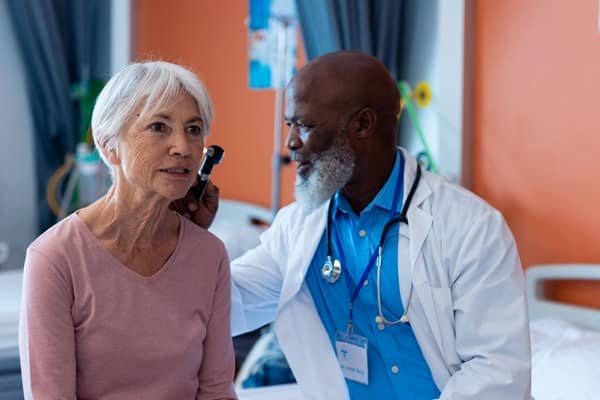
Despite the clear benefits of regular health screenings, many seniors face barriers that prevent them from undergoing these important checks. Common barriers include fear of the screening process or potential results, lack of awareness about the importance of screenings, cost concerns, and logistical issues like transportation. Addressing these barriers is crucial to ensure that seniors receive the preventive care they need. Education and awareness campaigns can help demystify the screening process and emphasize its importance, reducing fear and misconceptions.
Strategies to overcome these barriers include providing affordable healthcare options, such as community health programs that offer free or low-cost screenings. Transportation services for seniors, whether through community initiatives or family support, can also make it easier to attend appointments. Additionally, healthcare providers can play a pivotal role by discussing the importance of screenings during routine visits and setting up reminder systems for upcoming screenings. By addressing these challenges, the healthcare system can improve access to preventive care for seniors.
Role of Healthcare Providers

Healthcare providers play a crucial role in ensuring seniors adhere to recommended screening schedules. Building a strong doctor-patient relationship based on trust and open communication is essential. Providers should take the time to discuss the importance of each screening, what it entails, and what the potential outcomes could mean. This transparency helps alleviate any fears or misconceptions seniors may have, making them more likely to follow through with their screenings.
Primary care physicians and specialists both have important roles in the screening process. Primary care physicians often coordinate the overall care plan, including scheduling routine screenings and making necessary referrals to specialists. Specialists, such as cardiologists or oncologists, can provide more detailed evaluations and follow-up care for specific conditions detected during screenings. By working together, healthcare providers can ensure that seniors receive comprehensive care that addresses all aspects of their health. Encouraging adherence to screening schedules through reminders and follow-up appointments is a key part of this coordinated approach.
Lifestyle Changes to Support Health Screenings

Adopting a healthy lifestyle can significantly enhance the effectiveness of routine health screenings. A balanced diet rich in fruits, vegetables, lean proteins, and whole grains can positively impact screening results, such as lowering cholesterol levels and stabilizing blood pressure. Regular physical activity, such as walking, swimming, or yoga, helps maintain cardiovascular health, bone density, and overall physical fitness. These lifestyle changes not only improve immediate health outcomes but also make it easier to detect any deviations from normal health during screenings.
In addition to diet and exercise, other lifestyle factors play a critical role in supporting health screenings. Smoking cessation is one of the most impactful changes seniors can make, as smoking is a major risk factor for many conditions that screenings aim to detect, including lung cancer and heart disease. Limiting alcohol intake can also reduce the risk of liver disease and other alcohol-related health issues. Mental health and stress management are equally important, as chronic stress can affect physical health and skew screening results. A holistic approach to health, encompassing diet, exercise, and mental well-being, creates a strong foundation for successful health screenings and overall wellness.
Prioritizing Preventive Care for a Healthier Future
Emphasizing the importance of routine health screenings for seniors is crucial for early detection and effective management of health conditions. Regular screenings provide a proactive approach to health, allowing seniors to address potential issues before they become serious. By understanding the recommended screenings, overcoming barriers, and adopting a healthy lifestyle, seniors can significantly improve their health outcomes. Healthcare providers play an essential role in guiding and supporting seniors through this process. Prioritizing preventive care through routine screenings ensures that seniors can enjoy a healthier, more active, and fulfilling life.