
Probiotics, often referred to as the ‘good’ or ‘helpful’ bacteria, have gained remarkable attention for their role in maintaining good health. These live microorganisms, when taken in adequate amounts, provide a range of health benefits, especially for the digestive system. Beyond just aiding digestion, probiotics have been found to impact various other aspects of health, from heart health to mental well-being. This article delves into some of the key health benefits of incorporating probiotics into a daily health regimen, highlighting how these tiny microbes can have a significant impact on overall health.
Improves Heart Health

Recent studies have shown that probiotics play an essential role in heart health. These beneficial bacteria help in reducing the levels of LDL cholesterol, commonly known as ‘bad’ cholesterol, which is a significant risk factor for heart disease. Probiotics achieve this by breaking down bile in the gut, making it less likely to re-enter the bloodstream as cholesterol. This process is crucial in maintaining a healthy balance of cholesterol levels, thereby contributing to a healthier heart.
Moreover, probiotics have been linked to lowering blood pressure. This is particularly important as high blood pressure is a leading cause of heart attacks and strokes. Certain strains of probiotics help in the production of natural compounds in the body that have a direct effect on reducing blood pressure. Regular consumption of these probiotics can lead to modest reductions in blood pressure, offering an accessible way to manage and improve heart health.
Enhances Digestive Health

The most well-known benefit of probiotics is their ability to enhance digestive health. They are particularly effective in treating common digestive disorders, such as irritable bowel syndrome (IBS), inflammatory bowel disease (IBD), and infectious diarrhea. Probiotics help by balancing the gut microbiota, the community of microorganisms living in the intestines. This balance is crucial for proper digestion, nutrient absorption, and immune function. By mitigating the symptoms and frequency of these disorders, probiotics significantly improve quality of life for those suffering from chronic digestive issues.
Another critical aspect of probiotics is their ability to combat antibiotic-associated diarrhea. Antibiotics, while effective in killing harmful bacteria, can also disrupt the natural balance of gut bacteria. This disruption often leads to diarrhea, a common side effect of antibiotic use. Probiotics, by restoring the balance of good bacteria in the gut, help reduce the likelihood and severity of antibiotic-associated diarrhea. This is a significant advantage, especially for individuals undergoing long-term antibiotic treatments.
Boosts Immune System
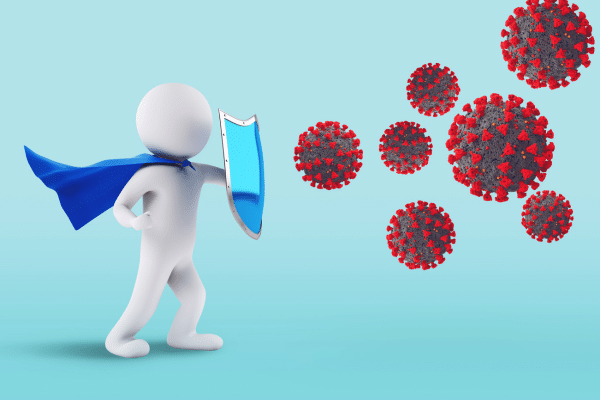
Probiotics have a notable impact on the immune system, enhancing its function and reducing the likelihood of infections and immune-related illnesses. By introducing beneficial bacteria into the gut, probiotics can alter the gut flora in a way that strengthens the body’s defenses. This is particularly important as a significant portion of the immune system is actually located in the gut. Probiotics help in activating certain immune cells, increasing the production of antibodies, and may even lead to a decrease in the incidence of respiratory infections and urinary tract infections.
Another interesting aspect of probiotics is their potential in reducing the severity of allergies and eczema. Certain strains of probiotics seem to modulate the body’s immune response to allergens, helping to reduce allergic reactions. Studies have shown that infants and children, when given probiotics, exhibit reduced symptoms of eczema and other allergic reactions. This suggests that early introduction of probiotics into the diet could be a strategic measure in promoting a stronger, more resilient immune system.